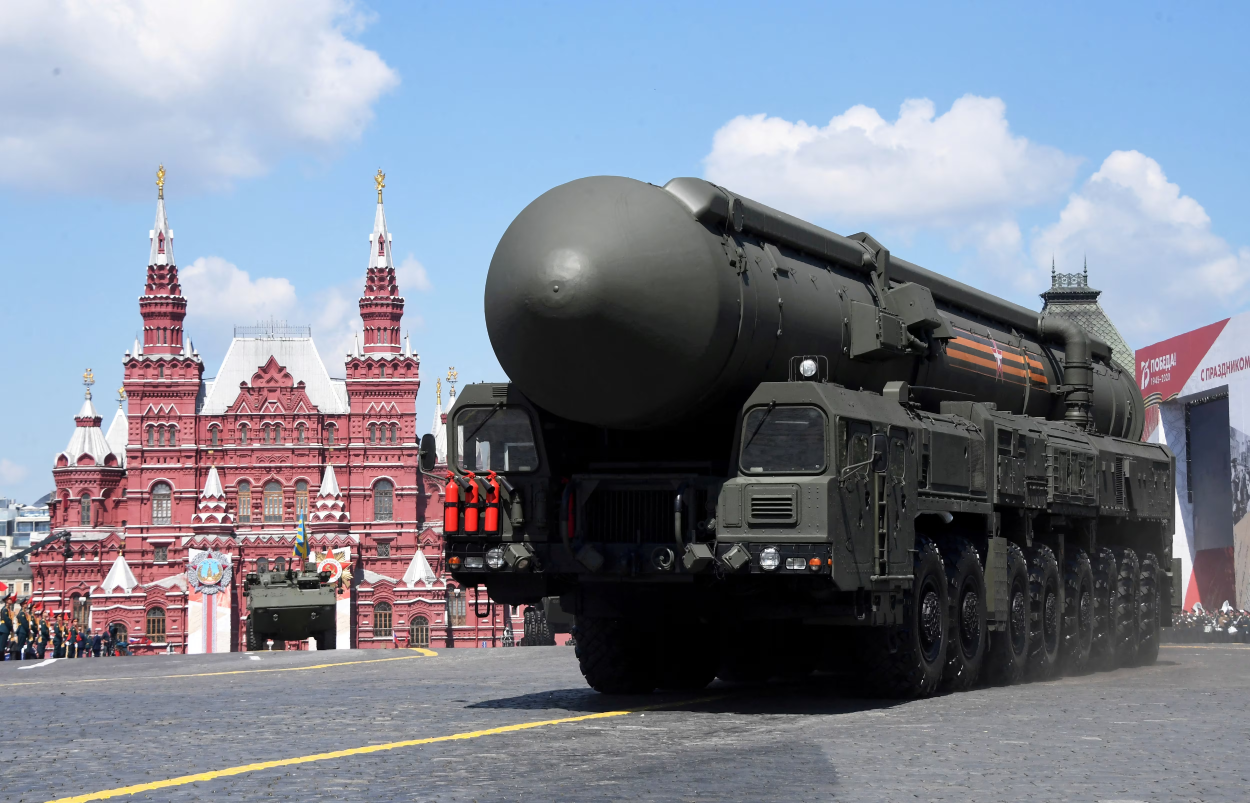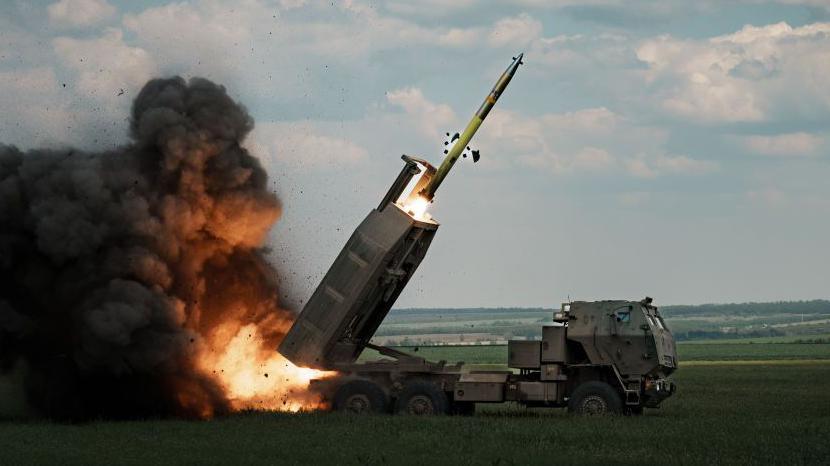
In a significant and controversial development, President Joe Biden has given the green light for Ukraine to use long-range missiles in strikes that could extend into Russian territory. This decision marks a pivotal shift in U.S. policy, which had previously been cautious about supporting attacks beyond Ukraine’s borders to avoid escalating the conflict with Russia.
A Turning Point in U.S. Policy
The approval came amid mounting pressure from Kyiv, which has been requesting more sophisticated weaponry to counter Russian aggression. The U.S. has provided extensive military aid to Ukraine since the invasion began, including advanced air defense systems, armored vehicles, and artillery. However, until now, there has been a deliberate limitation on the types of weaponry supplied, with Washington carefully avoiding actions that could provoke a direct confrontation between NATO and Russia.
The authorization for long-range missiles is seen as a response to evolving dynamics on the battlefield and Ukraine’s increasing need to strike deeper into Russian supply lines and infrastructure. The Biden administration believes that supporting Ukraine’s strategic capabilities will help deter further Russian offensives and disrupt logistics critical to Moscow’s military operations.
Details of the Missile Authorization
The U.S. government has not specified the exact systems approved for use but reports suggest that the missiles in question may include advanced long-range cruise systems capable of striking targets several hundred kilometers away. This would allow Ukraine to target key military installations inside Russia, including supply depots, command centers, and airfields used to launch attacks against Ukrainian forces.
While U.S. officials have emphasized that these strikes would be aimed solely at military targets, the decision has sparked heated debate in Washington. Critics argue that enabling attacks inside Russian territory could lead to unpredictable consequences, including the risk of wider conflict. Supporters, however, contend that Ukraine has a sovereign right to defend itself and that targeting Russian infrastructure could help tip the balance in the ongoing war.
Potential Risks and Escalation Concerns
The move is not without significant risks. Russia has repeatedly warned that attacks on its territory could provoke a harsh response. The Kremlin has previously accused the West of “crossing red lines” and has hinted at the use of retaliatory measures if it feels its homeland is under serious threat. By endorsing Ukraine’s use of long-range weaponry, the Biden administration is aware that it may be pushing those red lines even further.
Nevertheless, the U.S. has reiterated that it does not seek a direct conflict with Russia. In statements following the announcement, U.S. officials stressed that the goal is to empower Ukraine to defend its sovereignty and disrupt Russia’s war machinery without escalating the situation into a larger war. Diplomats have also pointed out that Russia has shown little restraint in attacking Ukrainian cities, civilian infrastructure, and energy facilities.
Ukraine’s Response: A Boost to Defensive Capabilities
Ukrainian officials have welcomed the U.S. decision, calling it a crucial step in strengthening their military capabilities. Ukrainian President Volodymyr Zelenskyy has long argued that in order to reclaim occupied territories and protect the country from further Russian aggression, Ukraine must be able to strike strategic targets beyond its own borders. The authorization of long-range missiles could provide Ukraine with the means to do just that, potentially altering the dynamics of the conflict.
“We are grateful to our allies for standing with us and understanding the necessity of having the tools to defend ourselves and our future,” said a spokesperson for Ukraine’s Ministry of Defense. Ukrainian military officials are expected to strategize carefully about which targets to strike in order to maximize the impact of these weapons and minimize the risk of escalation.
International Reactions
The international community remains divided on the Biden administration’s decision. NATO allies have offered mixed reactions, with some countries expressing concern over the potential consequences of Ukrainian strikes on Russian soil. However, others have voiced their support, arguing that Moscow’s unprovoked aggression and continued attacks on Ukrainian civilians justify stronger measures.
Russia, on the other hand, has condemned the move, with the Kremlin describing it as a dangerous escalation. Russian officials have threatened unspecified retaliation and have accused the U.S. of directly contributing to hostilities. The Russian Foreign Ministry warned that any Ukrainian attacks using U.S.-supplied missiles would be met with a “severe and appropriate response.”
A Calculated Gamble
For the Biden administration, this decision represents a calculated gamble aimed at weakening Russia’s war effort while bolstering Ukraine’s defenses. By authorizing the use of long-range missiles, the U.S. is demonstrating a deeper commitment to Ukraine’s defense, even as it carefully navigates the fine line between support and provocation.
As the situation unfolds, the world will be watching closely to see how Russia reacts and whether this strategic shift will help Ukraine regain control of its territory—or lead to an even more dangerous escalation of the conflict.