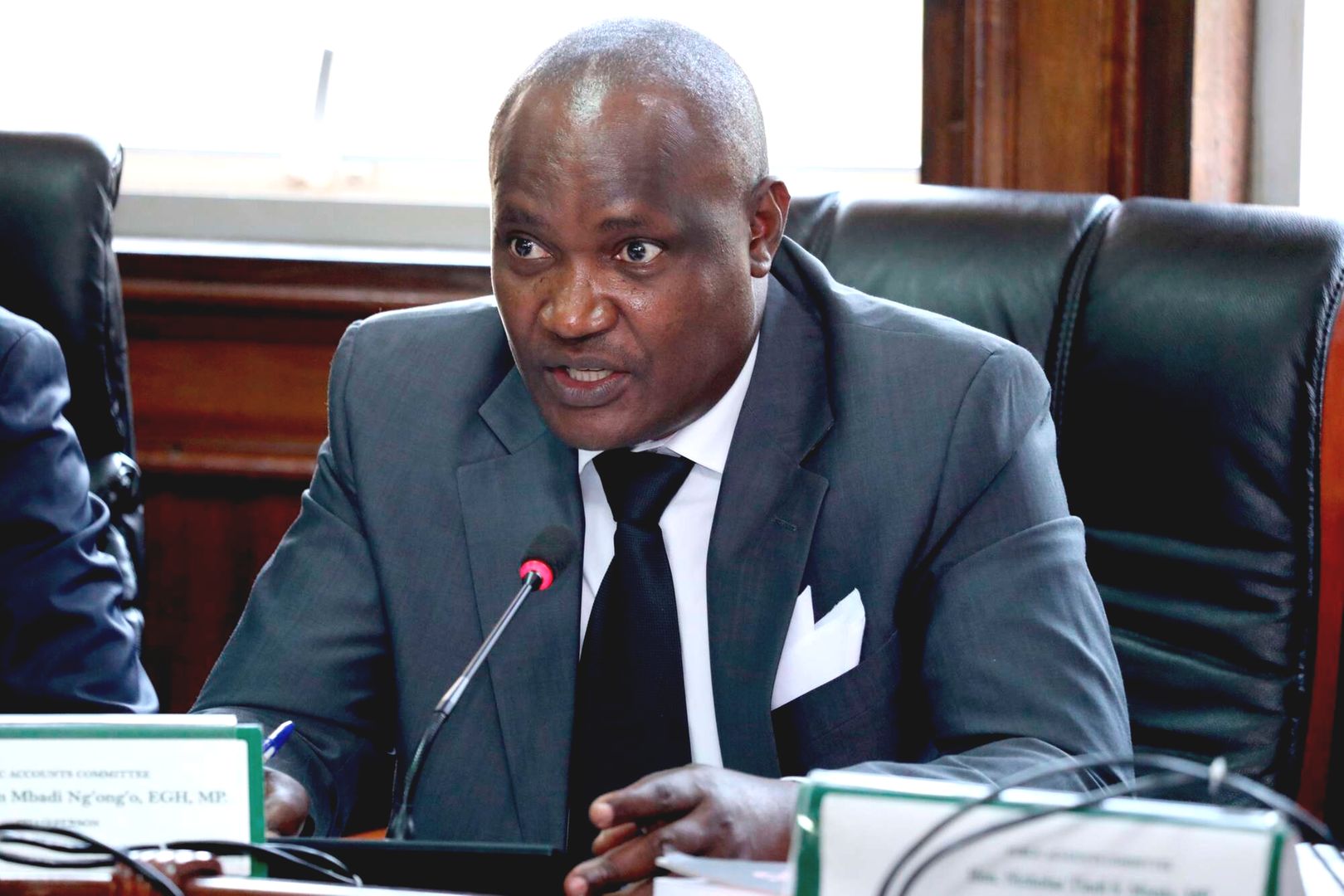
In a concerning revelation, Cabinet Secretary for the National Treasury, John Mbadi, has disclosed that Kenya loses approximately KSh 2 billion every day to corruption. This staggering figure paints a grim picture of how deeply entrenched corruption has become in the nation’s financial and governance structures.
The announcement by CS Mbadi has sparked widespread discussions among both the public and policymakers, reigniting calls for comprehensive and effective anti-corruption measures. The implications of these losses are devastating for a nation grappling with numerous economic challenges, including a high debt burden, unemployment, and inadequate access to essential services.
Experts argue that KSh 2 billion daily translates to a potential loss of KSh 730 billion annually — funds that could otherwise be channeled into improving the lives of millions of Kenyans. This amount is more than enough to fund major infrastructure projects, increase healthcare access, or improve educational facilities.
The Tax Hike Dilemma
As the government introduces tax hikes to boost revenue collection, many Kenyans are questioning the rationale behind this strategy, especially when billions are lost daily to corruption. Critics argue that tackling corruption could yield far more funds than the anticipated revenue from increased taxes. Citizens feel burdened by the rising cost of living, which is exacerbated by additional taxes, while government inefficiencies and the misuse of public funds remain unchecked.
For example, recent proposals include higher taxes on essential commodities and increased levies on businesses, which could have ripple effects on consumers and economic growth. The disconnect between the government’s push for more taxes and its inability to curb corruption has led to growing frustration among taxpayers, who feel they are being unfairly penalized for the government’s shortcomings.
Conclusion
CS Treasury John Mbadi’s statement about Kenya losing KSh 2 billion daily to corruption is a wake-up call that cannot be ignored. The government’s decision to increase taxes while failing to address rampant corruption adds to the frustration of ordinary Kenyans. Addressing corruption requires a multi-faceted approach, involving both systemic reforms and active citizen participation. The future of Kenya’s economy and the well-being of its people hinge on the nation’s ability to curb this pervasive menace. Only with collective will and decisive action can Kenya hope to reclaim the billions lost, reduce the tax burden on its citizens, and secure a more prosperous future.