
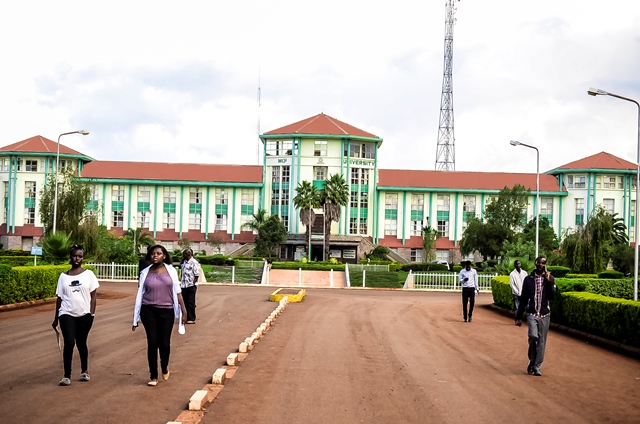
Moi University, one of Kenya’s largest and most historic public institutions, is facing allegations of imminent collapse, fueled by massive corruption claims and severe administrative inefficiencies. The university, once considered a beacon of academic excellence, is now plagued by accusations of financial mismanagement and a failing academic system that has left many students in limbo, unable to graduate on time.
Corruption Allegations: Mismanagement and Financial Woes
At the heart of the controversy are allegations of widespread corruption that have severely impacted the institution’s operations. Reports indicate that mismanagement of funds and shady procurement deals have drained the university’s financial resources, leaving it struggling to maintain basic services. Insiders allege that millions of shillings have been misappropriated, with little accountability from university officials.
An internal audit report revealed questionable expenditure patterns and irregularities in how funds were handled, sparking outrage among students, staff, and the wider community. “We have watched as the institution deteriorates while some people enrich themselves,” said a member of the academic staff who requested anonymity. “It is disheartening to see our university in such a state because of a few corrupt individuals.”
The financial instability has led to delays in paying staff salaries and suppliers, deteriorating infrastructure, and disrupted academic programs. Lecture halls are reportedly in poor condition, and essential learning resources are scarce, leaving students frustrated and demoralized.
Graduation Delays: Students Stuck in Academic Limbo
One of the most pressing concerns among students is the inordinate amount of time it now takes to graduate. Many students complain that what should be a four-year degree program often stretches to five or six years or even longer. Administrative delays, lost academic records, and canceled classes are some of the reasons cited for the prolonged graduation timelines.
“We are tired of waiting,” said a fourth-year student who has been at Moi University for nearly six years. “The constant postponement of exams and administrative issues have ruined our future plans. We came here to get an education, but we feel abandoned.”
Academic inefficiency has become a significant hurdle, with students expressing concerns that the delays are affecting their ability to secure jobs and pursue further studies. The uncertainty surrounding their academic journey has left many disillusioned about the value of higher education.
Calls for Accountability and Reforms
The allegations of corruption and inefficiency have sparked a wave of demands for accountability. Students, parents, and education stakeholders are calling for the government and relevant authorities to investigate the university’s management and bring those responsible for financial misdeeds to justice. There are also calls for structural reforms to address the underlying issues and ensure the institution’s long-term stability.
“We need transparency and a complete overhaul of how things are run,” said a student leader. “The university must be held accountable for the suffering it has caused students and staff. We want to see action, not empty promises.”
The Ministry of Education has acknowledged the challenges facing Moi University and has promised to take steps to ensure the institution does not collapse. However, critics argue that little has been done to address the systemic problems that have persisted for years.
Efforts to Revive the University
In response to the mounting pressure, the university administration has announced plans to implement reforms and improve efficiency. Officials have pledged to streamline administrative processes, improve infrastructure, and restore academic integrity. However, skepticism remains high, as past promises of reform have largely gone unfulfilled.
The university has also faced challenges attracting and retaining qualified staff, with many lecturers and administrative staff leaving due to unpaid salaries and poor working conditions. This brain drain has further exacerbated the academic crisis, leading to concerns about the quality of education being offered.
The Way Forward
The future of Moi University hangs in the balance as it struggles to navigate the crisis. Education experts have emphasized the need for strong leadership and effective oversight to restore the institution’s reputation. There are also calls for increased government funding and support to help stabilize the university and invest in long-term growth.
Meanwhile, students continue to face an uncertain academic future, and the legacy of corruption and mismanagement threatens to undermine one of Kenya’s most vital educational institutions. The situation at Moi University serves as a wake-up call for the entire higher education sector, highlighting the urgent need for reforms and greater accountability to ensure quality education for all.
As the public awaits further developments, it is clear that without significant intervention and accountability, the dream of quality higher education at Moi University may continue to fade, leaving thousands of students and future generations in jeopardy.