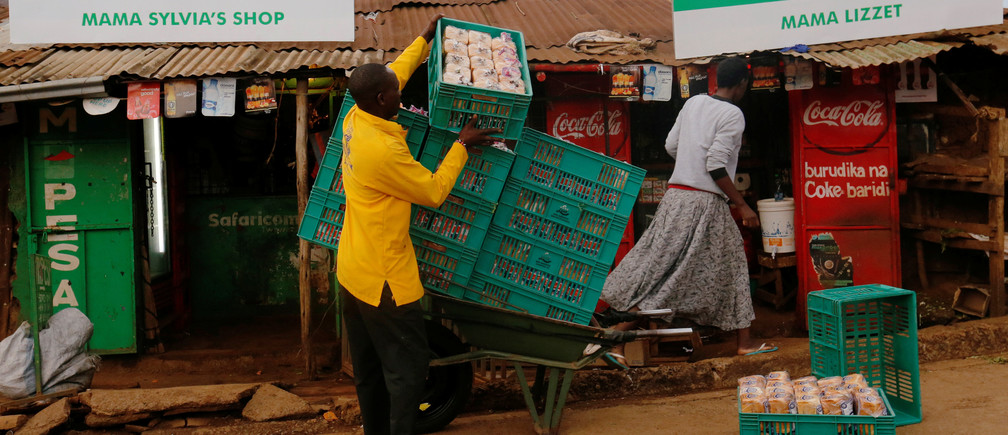
Small businesses in Kenya are facing an unprecedented crisis as economic uncertainty continues to take a heavy toll on the country’s entrepreneurial sector. A combination of rising operational costs, declining consumer spending, and mounting debt burdens has forced many small and medium-sized enterprises (SMEs) to shut their doors, leaving thousands of people without jobs and livelihoods in jeopardy.
Widespread Closures and Economic Impact
In recent months, reports have shown an alarming increase in the number of small businesses shutting down across the country. From retail shops to restaurants and manufacturing startups, business owners are finding it nearly impossible to sustain their operations. For many, the high cost of goods, inflated rent prices, and hefty utility bills have created a hostile environment for doing business.
According to recent statistics from trade associations, more than half of small business owners have either closed their businesses or significantly scaled down operations. “We just couldn’t keep up,” said one small business owner in Nairobi who ran a successful clothing store for five years before being forced to close. “The cost of importing goods skyrocketed, and our customers stopped buying as they, too, struggled with the cost of living.”
Soaring Running Costs
The cost of running a business in Kenya has risen sharply, driven by factors such as increased fuel prices, currency depreciation, and higher taxes. Many businesses that rely on imported goods have had to grapple with the weakening Kenyan shilling, which has pushed up the prices of raw materials and finished products.
Additionally, rising electricity and water bills have added another layer of financial strain. Small manufacturers and service providers have found themselves struggling to break even as their profit margins shrink. “We are using all our revenue just to keep the lights on and pay our staff,” said the owner of a small bakery in Kisumu. “There is nothing left for growth or reinvestment, and at this rate, we are unsure how long we can last.”
Debt Burdens Weigh Heavy
In a desperate bid to stay afloat, many small business owners have resorted to taking loans. However, with interest rates remaining high, these loans have become a double-edged sword. Instead of providing relief, debt burdens have only exacerbated the struggles of SMEs. Business owners who cannot service their loans are now facing legal action from creditors, adding to the pressure.
Financial analysts warn that without intervention, the increasing debt crisis could wipe out a significant portion of Kenya’s SME sector. “Small businesses are the backbone of our economy,” said an economic analyst. “If they continue to shut down, it will have a ripple effect on employment, poverty levels, and overall economic growth.”
Government Response and Calls for Action
While the government has introduced some measures to support businesses, including tax incentives and access to credit facilities, critics argue that these initiatives have not been enough to address the severity of the crisis. Many small business owners say they are not seeing the benefits of these programs and that bureaucratic hurdles make accessing government support nearly impossible.
There have been calls for more comprehensive economic reforms, such as reducing taxes on essential goods, lowering interest rates, and creating targeted financial aid for SMEs. “We need immediate relief,” said the owner of a small tech startup in Nairobi. “Without it, more businesses will go under, and the economy will suffer even more.”
The Human Cost of Economic Uncertainty
Beyond the financial impact, the human cost of this crisis is staggering. With thousands of businesses shutting down, countless employees have lost their jobs, leading to a spike in unemployment rates. Families that once relied on income from small businesses are now struggling to make ends meet, and the effects are being felt across the country.
Small businesses have long been celebrated for their role in driving innovation and creating jobs in Kenya. However, the ongoing economic struggles threaten to undermine this vital sector, leaving a void that will take years to fill.
Looking Forward: A Path to Recovery?
Despite the grim outlook, there are still glimmers of hope. Business groups and advocacy organizations are pushing for more support from both the government and financial institutions. They are calling for measures such as interest rate relief, affordable credit lines, and grants to help SMEs recover.
For now, the future remains uncertain for Kenya’s small business community. As economic conditions evolve, the survival of this critical sector will depend heavily on decisive action and strategic support from policymakers and stakeholders. Only time will tell if small businesses can weather this storm or if further closures will reshape the country’s economic landscape.