Tensions between Russia and the West have taken a sharp turn as Moscow unveils a new, more aggressive nuclear policy in response to escalating threats. This announcement comes shortly after the United States approved the use of long-range missiles by Ukraine, which could strike deep into Russian territory. The developments have significantly heightened fears of a wider, potentially catastrophic conflict.
A Shift in Russia’s Nuclear Doctrine
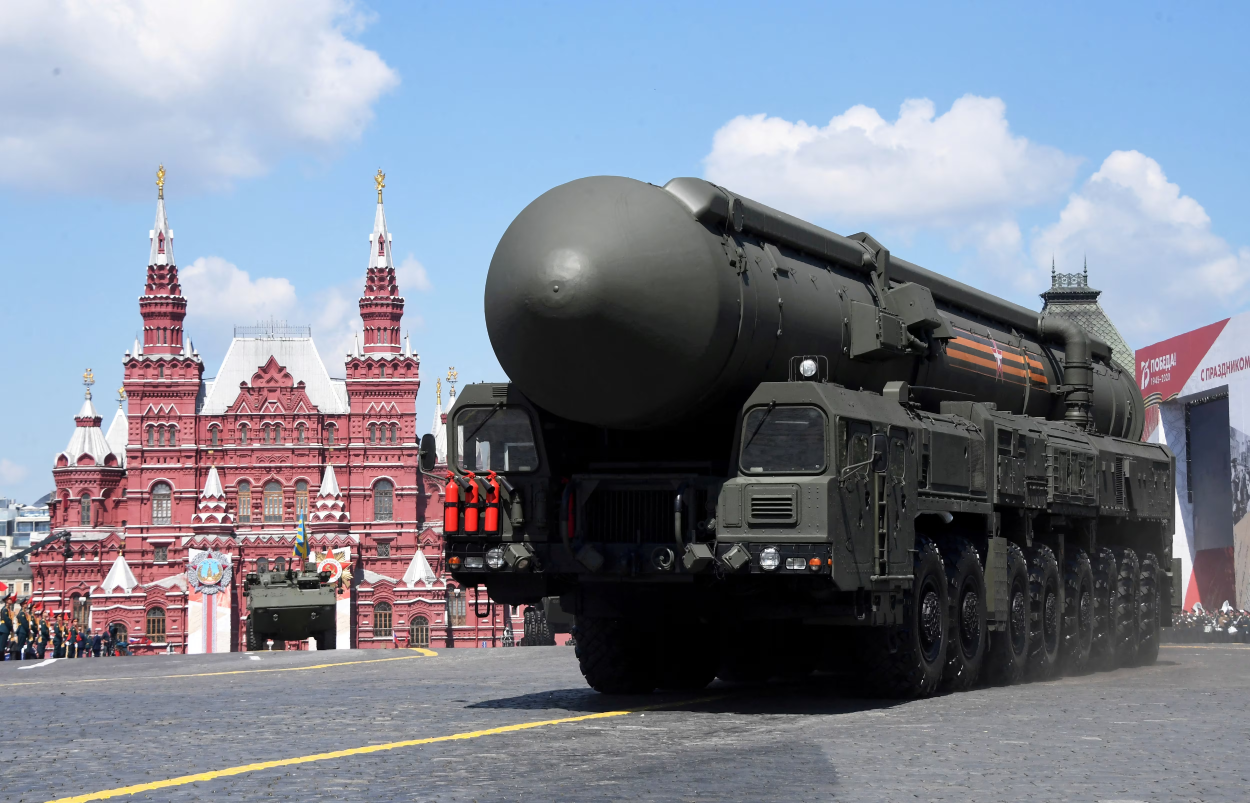
The Kremlin’s new nuclear policy signals a concerning shift, as Russian officials emphasize that the country will no longer restrict the use of nuclear weapons to situations involving existential threats to the Russian state. Under the revised doctrine, Russia reserves the right to use nuclear weapons if it perceives any threat to critical national infrastructure or military assets, even if the threat comes from conventional weapons.
The changes mark a stark escalation in rhetoric, with President Vladimir Putin warning that Russia will take “all necessary measures” to defend itself from external aggression. “We will not stand idle while our nation’s security is compromised,” Putin declared during a televised address. “Any attempt to threaten or destabilize Russia will be met with an unprecedented response.”
Implications for Global Security
Russia’s move has alarmed the international community, as it effectively lowers the threshold for the use of nuclear weapons. Experts worry that the ambiguity in Russia’s new policy increases the risk of miscalculation, especially in the heat of an ongoing conflict where communication channels between the West and Moscow are strained.
“The expansion of Russia’s nuclear doctrine creates a dangerous environment,” said a defense analyst from the Center for Strategic and International Studies. “It introduces new uncertainties and raises the stakes dramatically. The potential for a misstep that could lead to catastrophic consequences is now higher than ever.”
U.S. Approves Long-Range Missiles for Ukraine
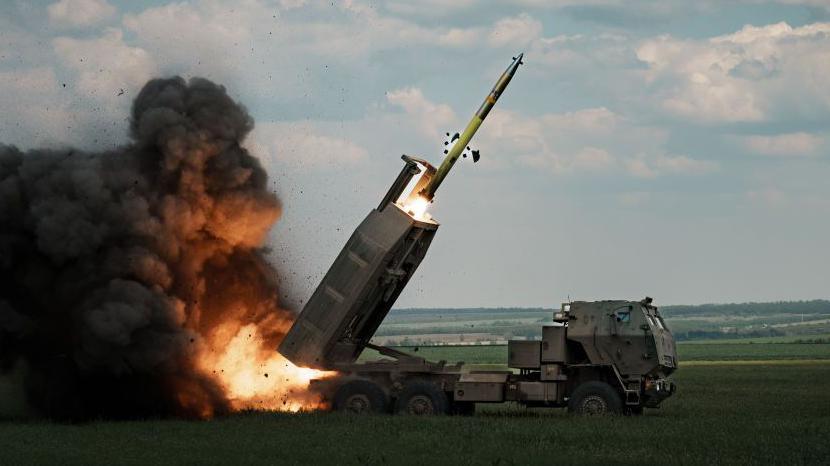
Adding to the volatility, the Biden administration’s recent decision to approve the use of long-range missiles by Ukraine has drawn sharp criticism from Moscow. The U.S. authorization allows Ukraine to target military installations and infrastructure deep within Russian territory, a move that could severely disrupt Russian supply chains and command operations.
While the U.S. has insisted that the weapons are intended solely for Ukraine’s self-defense, Russia views this as a significant escalation. In response, Russian officials have vowed that any Ukrainian strike on Russian soil will provoke severe retaliation. Moscow claims that the U.S. is becoming increasingly complicit in the conflict and warns that continued Western support for Ukraine will lead to “unpredictable and grave consequences.”
The Kremlin’s Stance on U.S. Involvement
Russian Foreign Minister Sergey Lavrov condemned the U.S. decision, accusing Washington of “deliberately crossing red lines” and undermining global stability. “The U.S. is pushing the world toward an abyss,” Lavrov stated. He also warned that Russia would consider any missile strike using American-supplied weapons a direct provocation, and hinted at “measures that will change the strategic balance.”
The Kremlin’s outrage reflects a broader fear that Western-supplied long-range missiles could empower Ukraine to inflict significant damage on Russia’s military and infrastructure. The approval comes as Ukrainian forces seek to disrupt Russia’s war machine and reclaim territory lost since the invasion began.
Rising Fears of Escalation
As Russia’s nuclear rhetoric intensifies, fears are mounting that the conflict could spiral out of control. The prospect of long-range missile strikes on Russian territory, combined with Moscow’s new nuclear policy, raises the question of how far both sides are willing to go. While Western nations continue to support Ukraine, there are growing concerns that further escalation could pull NATO and Russia into a direct confrontation, with devastating global implications.
“We are entering uncharted territory,” said a European diplomat familiar with the situation. “Both sides are hardening their positions, and the window for diplomatic resolutions is closing. The world must brace itself for the possibility of a dangerous escalation.”
The Global Reaction
The international community has reacted with a mix of alarm and calls for restraint. NATO has urged both sides to avoid actions that could lead to an all-out conflict, while the United Nations has called for renewed diplomatic efforts to de-escalate tensions. China and India, both of whom maintain complex relationships with Russia, have expressed concern over the developments and have called for peace talks.
Despite calls for calm, the situation on the ground remains tense. Ukrainian officials have reiterated their right to defend their country and strike back at Russian forces that continue to bombard Ukrainian cities and infrastructure. Meanwhile, Russia’s aggressive stance and updated nuclear doctrine underscore the high stakes of this conflict.
Conclusion
The announcement of Russia’s new nuclear policy, coupled with the U.S. decision to supply long-range missiles to Ukraine, has brought the world closer to a dangerous precipice. As the war in Ukraine continues to reshape the global geopolitical landscape, the specter of nuclear escalation looms large. Both sides are doubling down, leaving little room for negotiation and raising urgent questions about the future of global peace and security.