
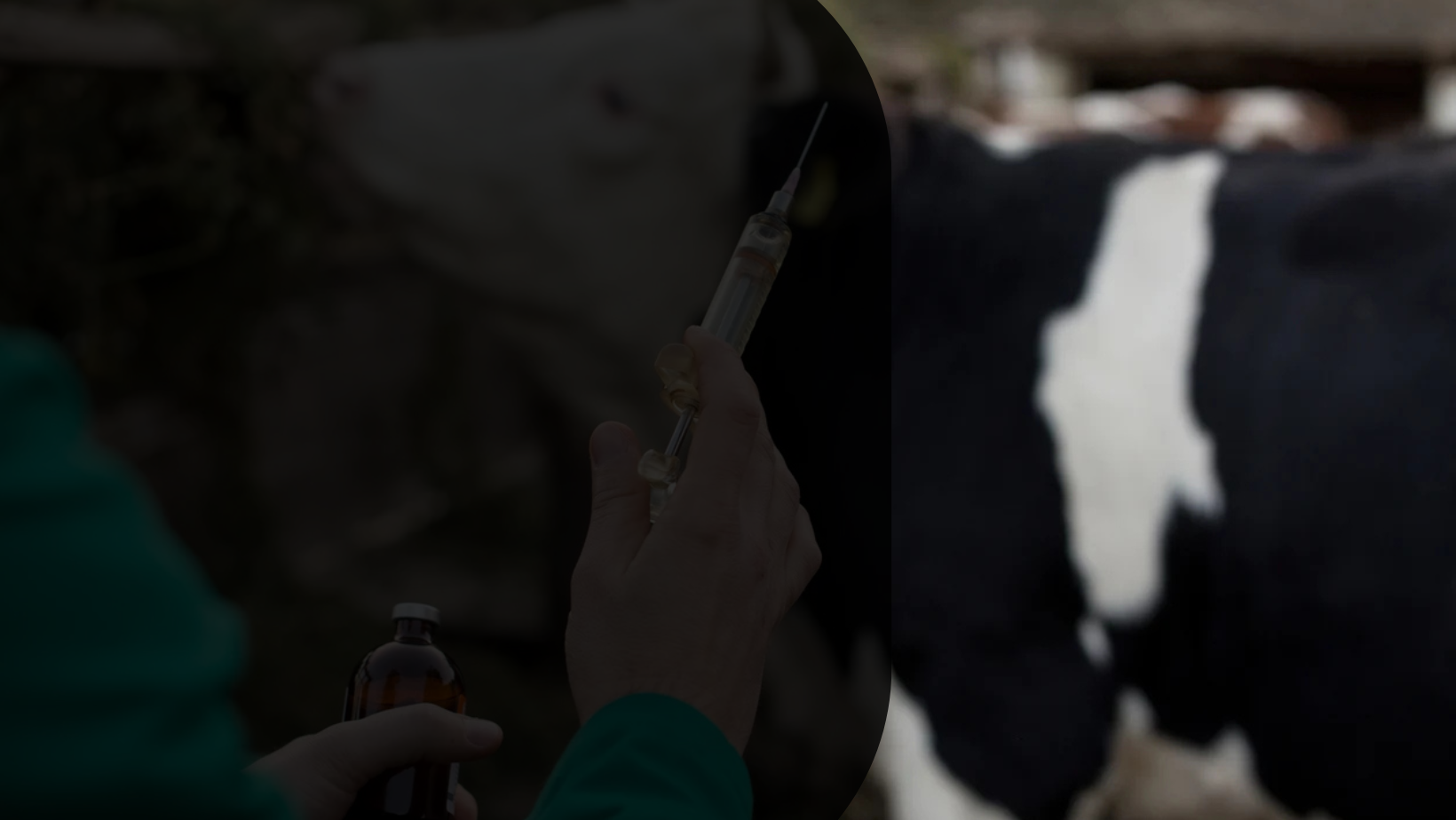
Kenyans, particularly those from livestock-farming communities, have raised concerns about a government plan to roll out a mass livestock vaccination campaign. The move has sparked significant debate, with farmers and community leaders expressing fears about the long-term implications of the initiative. The controversy has been further fueled by claims related to reducing livestock populations and controversial statements about livestock emissions made by global figures like Bill Gates.
Fears of Population Reduction
One of the key issues driving resistance among farmers is the fear that the livestock vaccination program may be part of a hidden agenda to reduce the population of livestock in Kenya. Some farmers argue that the vaccines could adversely affect the health of their animals, leading to increased mortality rates or compromised productivity. These concerns have spread rapidly in rural areas, with community meetings and local radio stations serving as platforms for heated discussions.
“We have seen similar programs in the past that have not turned out well for us,” said a livestock farmer from Narok County. “Our cattle are our livelihood, and we cannot take chances with a vaccination plan that we don’t fully understand or trust.”
Bill Gates’ Remarks on Livestock Emissions
Adding fuel to the fire are remarks made by Bill Gates, the philanthropist and co-founder of Microsoft, who has been vocal about the environmental impact of livestock farming. Gates has cited research suggesting that livestock, particularly cattle, emit significant amounts of methane and other greenhouse gases that contribute to climate change. These comments have been interpreted by some Kenyans as a push toward reducing global livestock populations to combat climate change.
While Gates’ comments focus on environmental concerns, they have heightened suspicion among Kenyan farmers who view the vaccination campaign as an extension of global efforts to limit livestock farming. “When people like Bill Gates talk about livestock being harmful to the environment, it makes us wonder if there is a global agenda to target our way of life,” said a concerned pastoralist from Kajiado.
Farmers Push Back Against Vaccination
The majority of Kenyan farmers remain staunchly opposed to the vaccination campaign, citing a lack of trust in both the government and international organizations that support livestock management reforms. Many farmers argue that they have not been properly consulted or informed about the benefits and potential risks of the vaccines. They also fear that the vaccination program could have negative economic consequences for communities that rely heavily on livestock.
“We need to protect our livestock,” emphasized a representative from a farmers’ association in Laikipia. “If the government wants us to agree to this vaccination, they must first prove that it is safe and beneficial. Right now, we only have more questions than answers.”
Government Pushes Forward With Legislation
Despite widespread opposition, the government is determined to move forward with the livestock vaccination program. A new Livestock Bill has been tabled in Parliament, which seeks to make vaccination mandatory in regions prone to livestock diseases. Government officials argue that the vaccination drive is necessary to safeguard Kenya’s livestock industry from devastating diseases that could wipe out entire herds and affect the country’s food security.
The Ministry of Agriculture has defended the bill, emphasizing that vaccinations are a crucial tool for preventing outbreaks of diseases like foot-and-mouth and Rift Valley fever. “Our goal is to protect livestock health and ensure food security for the nation,” a ministry spokesperson said. “We are not out to harm farmers but to help them secure their livelihoods by keeping their animals safe from preventable diseases.”
Balancing Public Health and Farmers’ Concerns
The government faces a delicate balancing act between promoting public health through vaccinations and addressing the concerns of farmers who feel their voices have not been heard. There have been calls for more transparency and dialogue between policymakers and livestock-rearing communities. Farmers and civil society organizations have demanded that the government conduct extensive consultations and offer scientific evidence to assure the public of the safety and necessity of the vaccines.
“We need to have an honest conversation about this,” said a member of a livestock welfare advocacy group. “Both sides must come to the table to discuss how to protect our livestock while addressing genuine fears and misconceptions.”
Conclusion
As the debate over livestock vaccination continues, the Kenyan government must navigate a highly charged environment to implement its plans. The concerns raised by farmers and the influence of global conversations about livestock emissions have complicated what might otherwise be a straightforward public health initiative. The fate of the proposed Livestock Bill remains uncertain as Parliament and the public continue to deliberate over the best way forward. For now, the future of Kenya’s livestock industry hangs in the balance, with the need for trust, transparency, and effective communication at the forefront of any resolution.